Women's Health & Hormonal Balance: A Complete Guide
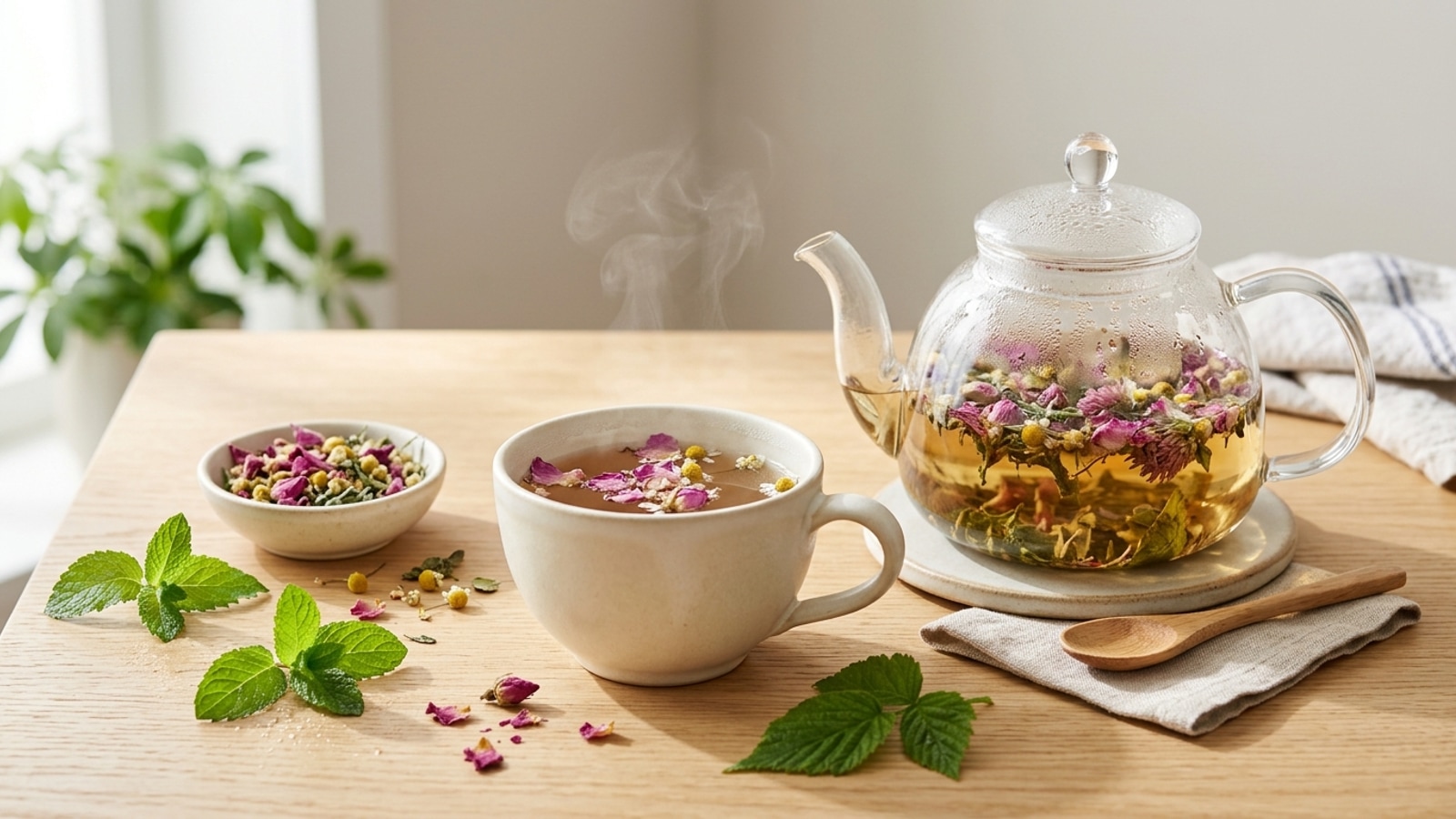
Women's health concerns — irregular periods, painful cramps, PCOS, thyroid disorders, and the menopause transition — are common, yet women are often told these are just "part of being a woman" and left to manage them without a proper explanation of what's actually happening. This guide brings together the most common hormonal and reproductive health patterns to show how genuinely connected they are, since understanding the shared hormonal system behind them makes each individual concern easier to make sense of.
The hormonal thread connecting nearly all of these: the menstrual cycle, thyroid function, and the menopause transition are all governed by an interconnected system of hormonal signalling between the brain, the ovaries, and the thyroid gland. This is exactly why a disruption in one area so often shows up as symptoms in what looks like an unrelated area — a thyroid problem causing irregular periods, PCOS affecting mood and skin alongside the cycle, or perimenopause symptoms overlapping so closely with thyroid symptoms that the two are frequently confused. Recognising this interconnection is often the single most useful thing a woman can understand before her first consultation, because it explains why a proper evaluation looks at the whole hormonal picture rather than just the specific symptom that prompted the visit.
Where the conditions genuinely differ: irregular periods can stem from weight changes, stress, thyroid disorders, or PCOS, and identifying which of these (or which combination) is behind a particular case changes what actually helps. Menstrual cramps (dysmenorrhea) are specifically driven by prostaglandins causing uterine contractions, and can be "primary" (no other cause) or "secondary" (caused by a condition like endometriosis or fibroids) — a distinction that genuinely matters for management. PCOS is a specific hormonal condition with its own diagnostic criteria, involving irregular cycles alongside other signs like excess hair growth or acne. Thyroid disorders are a separate gland entirely but interact closely with all of the above. Menopause is a natural transition, not a disorder, but the hormonal shift involved can trigger or unmask thyroid issues and brings its own distinct symptom pattern.
What tends to help across most of these conditions: - Maintaining a stable, healthy weight, since weight changes in either direction disrupt the hormonal signalling behind several of these conditions - Managing stress consistently, since it directly affects the hormones governing the menstrual cycle - Regular, moderate exercise rather than either a sedentary lifestyle or excessive training - Prioritising consistent sleep, which affects hormone regulation broadly - Simple cycle tracking (dates, and ideally associated symptoms) over several months, which gives far more useful information to a doctor than relying on memory - Not assuming every symptom is "just menopause" or "just stress" without a proper evaluation, especially when the pattern is new or changing
Red flags that apply across this category generally: periods stopping for more than three months without pregnancy, unusually heavy bleeding, severe pain that disrupts daily life, any bleeding after menopause has been established for a year, or symptoms that are new, sudden, or significantly worsening rather than following an expected gradual pattern — these deserve a proper evaluation rather than assuming they'll settle on their own.
Homeopathic treatment across women's health is individualised — it considers the hormonal pattern, stress levels, weight, and overall health rather than treating the cycle, the thyroid, or any single symptom in isolation from the rest of the body's interconnected system. Explore the specific topics covered in this guide below, or if you're not sure where your concern fits, book a consultation for a proper assessment of the fuller picture.
How to get the most out of this guide: if you recognise your own situation clearly in one of the specific articles below, that's a good place to start reading in depth. If your concern feels like a mix of several of these, or doesn't fit neatly anywhere, that's exactly the kind of situation a direct consultation handles better than trying to self-diagnose from articles alone — a real conversation can ask follow-up questions an article can't anticipate. Either way, nothing here is meant to replace a proper evaluation; it's meant to make that evaluation more useful by walking in with a clearer sense of what you're actually describing and why it matters.
Most women find real clarity once the full hormonal picture, not just one symptom, is actually looked at together.
This kind of understanding tends to replace anxiety with a genuine, workable sense of what's actually going on.
Real understanding of your own hormonal pattern is genuinely one of the most valuable things a woman can walk into a consultation with.
This clarity serves women well for years to come.